No products in the cart.

Understanding Zakat: The Pillar of Charity in Islam
 safanfatih@gmail.com
Zakat is one of the five pillars of Islam and plays a crucial role in promoting social justice, compassion, and community welfare. In this blog, we will explore the significance of Zakat, how it can be calculated, and its impact on society. Whether you are looking to fulfill your religious obligation or make a meaningful contribution to those in need, understanding Zakat is essential for all Muslims.
What is Zakat?
Zakat is an obligatory form of charity required of Muslims, typically given annually, to assist those in need. The word “Zakat” comes from the Arabic word meaning “purification” or “growth.” It’s seen as both a form of purification for one’s wealth and a way to redistribute resources within the community.
By giving Zakat, Muslims purify their wealth by ensuring that those less fortunate receive their due share. Zakat is calculated as a fixed percentage of one’s wealth, typically 2.5%, and is meant to help the poor, the needy, and others who may be struggling financially.
The Importance of Zakat in Islam
Zakat is not just a financial donation; it is a religious duty that helps foster a sense of empathy, solidarity, and unity among the Muslim community. Through Zakat, Muslims are reminded to share their wealth with others, thus promoting social justice.
The Quran and Hadith stress the importance of giving Zakat and highlight its significance in purifying one’s wealth and soul. It is a means of ensuring that no one in society is left behind, fostering an environment where the needs of the poor are met.
Benefits of Giving Zakat:
- Purification of Wealth: Zakat purifies one’s wealth by reducing greed and attachment to material possessions.
- Spiritual Reward: Giving Zakat with the right intentions brings immense spiritual rewards and strengthens one’s faith.
- Social Welfare: Zakat ensures that the less fortunate receive support, reducing poverty and inequality in the community.
How to Calculate Zakat?
Calculating Zakat may seem complex at first, but it’s fairly straightforward. Zakat is generally calculated at a rate of 2.5% of an individual’s savings and assets that have been in possession for at least one lunar year (Hawl). These assets include:
- Cash
- Gold and silver
- Stocks and shares
- Business profits
- Agricultural produce (in some cases)
It is important to calculate Zakat accurately, as it’s a religious obligation. Many online Zakat calculators are available to help guide you through the process, ensuring that you give the correct amount.
Who Should Receive Zakat?
Zakat is intended to be given to specific categories of people, as outlined in the Quran. These include:
- The Poor (Al-Fuqara): Individuals with insufficient wealth or income to meet their basic needs.
- The Needy (Al-Masakin): Those who may not be living in absolute poverty but are still struggling financially.
- Zakat Administrators: Those responsible for collecting and distributing Zakat.
- Those Whose Hearts are to be Reconciled: This includes new Muslims or individuals in need to foster goodwill.
- Captives and Slaves: Individuals in captivity or bondage who are trying to gain their freedom.
- Debtors: Those who are in debt and unable to pay off their obligations.
- The Wayfarer (Traveler): Those stranded or in need while traveling.
- For the Cause of Allah (Fi Sabilillah): This can include supporting educational or charitable projects, such as building schools or hospitals.
Why is Zakat Important for Charity?
Zakat is a key pillar of charity in Islam and provides a foundation for charitable giving. It ensures that the wealth is not hoarded by a small group, but rather is circulated throughout the community. By supporting the poor and needy, Zakat helps to reduce poverty, hunger, and inequality.
Zakat and Its Impact on Charity Work
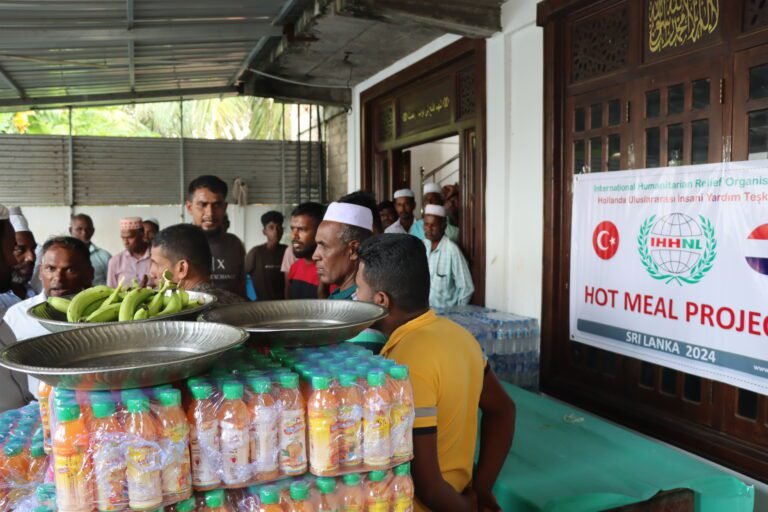
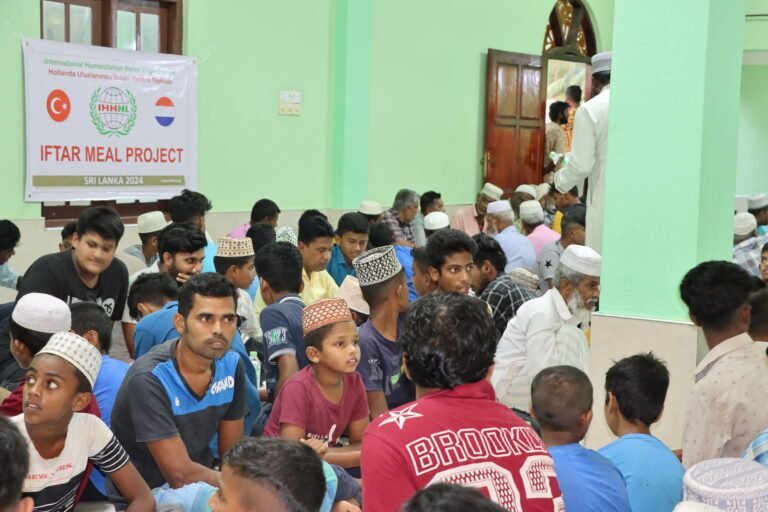
For charitable organizations, Zakat can play a vital role in funding programs that directly benefit the less fortunate. Zakat funds are often used for the following purposes:
- Providing food, water, and shelter to the homeless.
- Funding education and healthcare for underserved communities.
- Supporting orphanages and the care of orphans.
- Providing financial assistance to struggling families.
How to Pay Zakat to a Charity?
Paying Zakat through a charity organization can ensure that your contribution reaches those who are most in need. Many organizations, including ours, provide transparent and effective ways to give Zakat. You can contribute online through secure donation channels, ensuring that your Zakat is properly distributed to those who deserve it.
Steps to Pay Zakat:
- Determine the Amount: Calculate 2.5% of your savings and wealth.
- Select a Reliable Charity: Choose a trusted charity organization with transparent reporting and a commitment to distributing Zakat effectively.
- Donate Online: Use the charity’s online platform to make a secure payment.
- Get Confirmation: Ensure you receive a receipt or confirmation that your Zakat has been distributed.
Conclusion: The Power of Zakat in Building a Stronger Community
Zakat is a powerful tool for promoting social equity and helping those in need. By understanding its importance and properly calculating and giving your Zakat, you contribute not only to the well-being of others but also to your spiritual growth.
At Al Khidmathul Ummah Foundation, we make it easy for you to fulfill your Zakat obligation and help make a difference in the lives of those in need. Visit our website to donate today and help us make the world a better place for everyone.